What If School Wasn't Broken - Just Built for the Wrong Century?
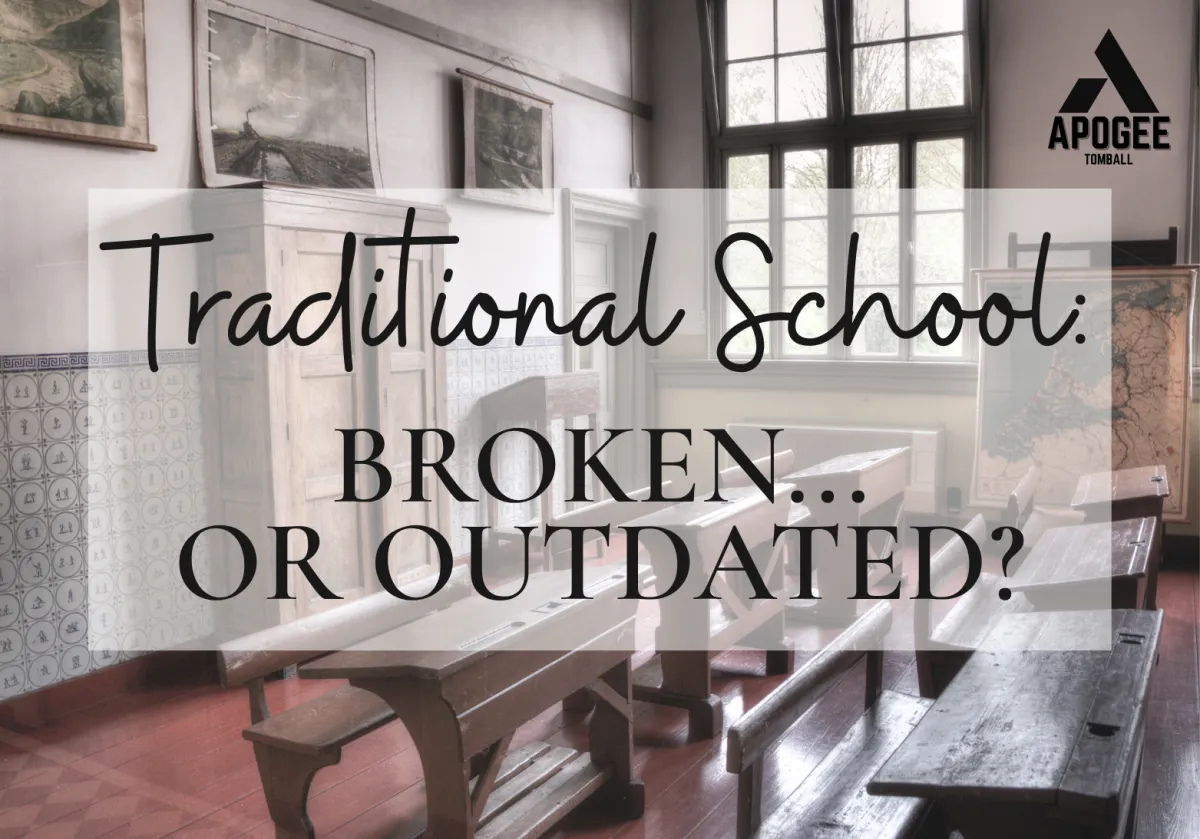
Every August, millions of kids pack their backpacks, sharpen their pencils, and head off to a system that hasn’t meaningfully changed in over 100 years. Rows of desks, bell schedules and no input on subject matter. Memorize, regurgitate, repeat.
It looks a lot like a factory, and that’s not a coincidence. Traditional schools were designed during the Industrial Revolution to produce compliant workers—not curious, capable humans.
But here’s the wild part: It’s still working exactly as designed.
If your child is struggling with motivation, sitting through mind-numbing lessons, or being labeled because they learn differently—it’s not because something is wrong with them.
It’s because the system wasn’t built for this century—or your child.
The System That's Failing Our Kids Was Never Meant to Help Them Thrive
Picture this: It's 1920. America needs factory workers who can follow instructions, sit still for hours, and do repetitive tasks without questioning authority. So we build schools that look like... factories.
Fast forward 100 years and your child lives in a world where creativity, critical thinking, and adaptability matter more than ever - but we're still using that same factory model. No wonder it feels wrong.
Most eight-year-olds who can't sit still for seven hours a day aren't "hyperactive"—they're human, and probably bored. Your teenager who questions everything isn't "difficult"—they're developing exactly the kind of mind our world needs.
Instead of celebrating these qualities, traditional school often sees them as problems to fix.
What If There Was Another Way?
What if school could be a place where your child wakes up excited to learn? What if instead of memorizing facts for tests they'll forget next month, they were tackling real problems that actually matter to them?
What if failure wasn't something to avoid, but something to learn from? What if your child came home energized instead of drained?
This isn't fantasy. It's what happens when we stop trying to patch a broken system and start fresh.
At Apogee Tomball, we've thrown out the factory model entirely. Instead, we've created something that honors how children actually learn and grow:
Here's what a day actually looks like for our kids:
Self-paced core academics because your nine-year-old who reads at a seventh-grade level shouldn't be held back by grade-level expectations, and your child who needs extra time with math concepts shouldn't feel rushed or behind.
Socratic discussions where kids don't just memorize answers—they discover them. They learn to think critically, ask better questions, and defend their ideas with respect and logic.
Project-based learning that connects to real life. Instead of writing book reports no one will read, they might design a solution to a community problem or create something that actually matters to them.
Daily movement, sunshine, and connection because children weren't designed to sit in fluorescent-lit rooms for seven hours. They need fresh air, physical activity, and genuine relationships to thrive.
Strong character expectations woven into everything we do. Because what good is academic success if it comes without integrity, kindness, or resilience?
This isn't just a different approach to school—it's a completely different understanding of what education can be.
I Know What You're Thinking
"This sounds too good to be true." "What about college prep?" "Will my child be behind?"
We get it, these are the questions that keep parents up at night. We were once in your shoes with our own children. The fear of doing something different, even when you know the current path isn't working.
The biggest risk isn't trying something new. It's watching your child's natural love of learning slowly die in a system that treats them like a number.
The children coming out of Apogee aren't behind—they're ahead. Not just academically (though they excel there too), but in the ways that actually matter: confidence, curiosity, resilience, and the ability to think for themselves.
Your Child Was Made for More
You know that feeling you get when you watch your child light up talking about something they're passionate about? That's who they really are. That's who they could be every day at school.
The question isn't whether your child is capable of more - you already know they are.
The question is: Are you ready to give them the chance to show you?
The Choice Is Yours
Right now, you have a window of opportunity that won't stay open forever. Before you know it, your child will start another school year. You can send them back to the same place, hoping this year will somehow be different. Or you can take a step toward something that was actually designed with your child in mind.
I know it feels scary to consider a change this big, but what if the scariest thing is actually doing nothing? What if in five years, you look back and realize you had the chance to transform your child's entire educational experience—and you let fear keep you from doing so?
We're here when you're ready to explore what's possible. Come visit us and see your child's eyes light up as they discover what customized, hands-on and fun learning can actually feel like.
If this resonates with you, we'd love to meet you. Reach out today to schedule a tour, get enrollment information, or simply ask the questions that are on your heart. Because your child's education—and their future—is too important to leave to chance.